Cuffing Season: What It Is, Why It Happens, and What It Says About Modern Love
.jpg)
Every year, as the air cools and the nights stretch longer, something curious happens across the dating world. Apps light up, group chats get playful, and social feeds fill with a familiar joke: “It’s cuffing season.”
For many, it’s shorthand for the annual search for warmth — part meme, part truth. Beneath the humor, though, cuffing season captures something undeniably human: our instinct to seek closeness when the world feels a little colder.
But what is cuffing season really? Where did it come from? And what does this yearly cycle say about how we love in the modern age?
What Is Cuffing Season (and What Does It Mean)?
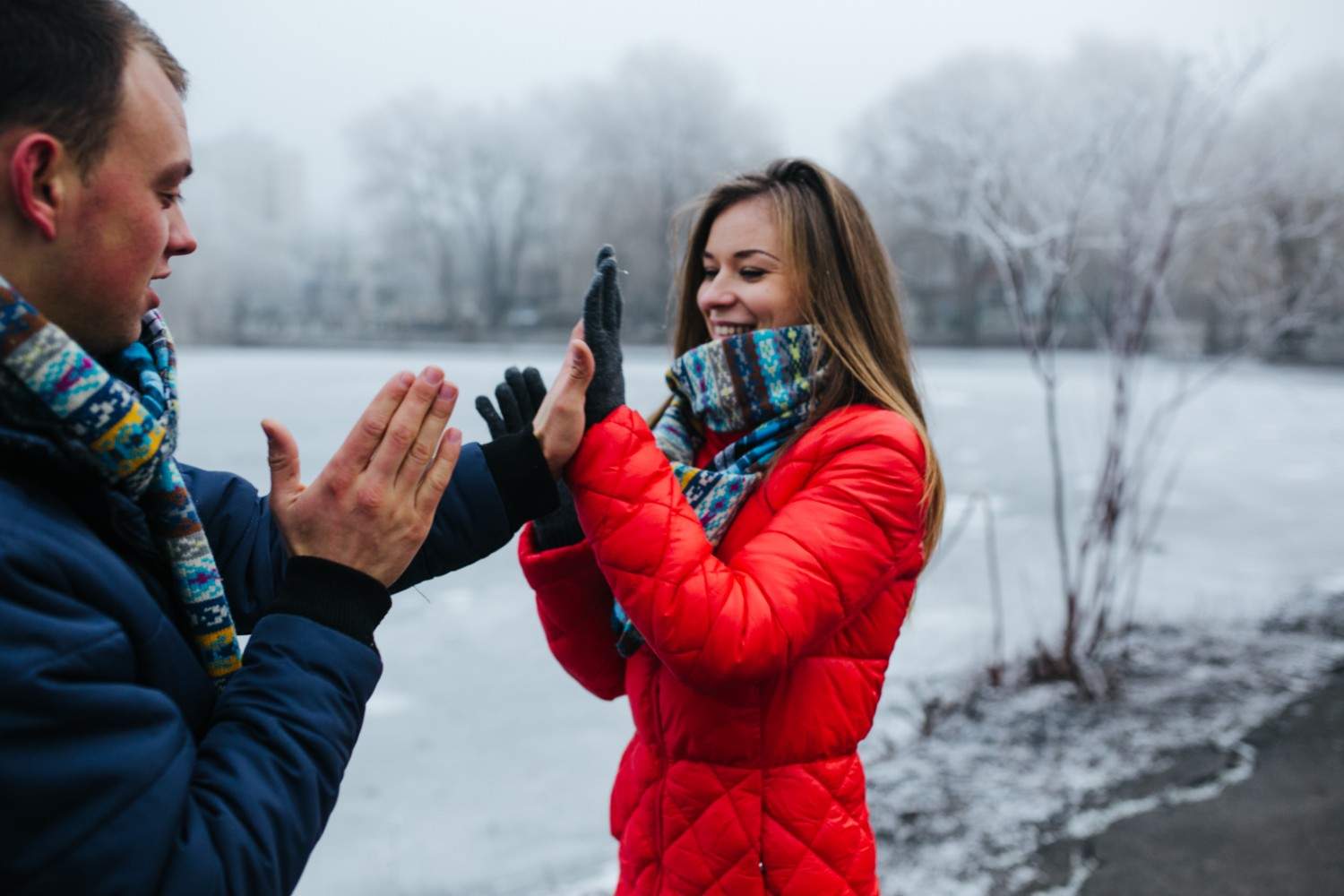
According to Merriam-Webster, cuffing season refers to “a period of time where single people begin looking for short-term partnerships to pass the colder months of the year. The slang term “cuffing” comes from “handcuffing,” a lighthearted metaphor for pairing up or being “tied down” for winter.
The phrase gained traction in the early 2010s, spreading from Urban Dictionary entries and hip-hop lyrics to lifestyle columns and dating-app taglines. What began as a cultural in-joke has since become an annual ritual. It says as much about our emotional wiring as it does about social media.
Even if the term started as satire, it resonates for a reason. The combination of chillier weather, holiday downtime, and social comparison creates what psychologists call “seasonal relational motivation,” or the tendency to crave emotional connection during times of environmental or emotional scarcity.
When Cuffing Season Starts (and Why It Always Ends Around Valentine’s Day)
.jpg)
Unofficially, cuffing season begins sometime in late October or early November, just after the glow of summer ends and before the holiday marathon begins. The season typically stretches through New Year’s Eve. Around Valentine’s Day, the metaphorical “contract” of convenience relationships tends to expire.
Why this window?
Social and biological patterns both play a role:
- Shorter days, longer nights: Decreased sunlight affects serotonin and melatonin, leading many people to seek comfort and stability.
- Holiday pressure: Between family gatherings and end-of-year loneliness, there’s social reinforcement to “find someone” before winter sets in.
- Reduced social opportunities: As outdoor events and travel plans slow, people often turn inward, both literally and emotionally.
It’s not coincidence; it’s culture meeting chemistry. As the APA notes, loneliness tends to increase during colder, socially demanding months. And while interventions can help, no quick fix replaces genuine connection or belonging.
The Psychology Behind Cuffing Season
.jpg)
The pattern is so common that researchers have begun studying it.
In a 2023 Frontiers in Psychology study on romantic motivation, psychologists found that people’s desire for partnership rises during transitional or emotionally uncertain periods. Cooler weather, societal expectations, and physiological shifts (like reduced daylight) all increase our need for relational warmth.
From an evolutionary standpoint, humans are wired for social thermoregulation. We literally use connection as a buffer against discomfort and stress. It’s the same reason people report sleeping better when they share a bed, or why affection increases during storms and colder months.
Attachment theory adds another layer. For people with anxious attachment styles, cuffing season can heighten the need for reassurance. For avoidant types, it can stir the tension between wanting closeness and fearing dependence.
None of this makes the instinct foolish or shallow. As therapist Esther Perel often says, “We’re not addicted to love; we’re addicted to longing.”
Cuffing season is just one place where longing becomes visible.
The Social Script of Being “Cuffed”
In popular slang, to be “cuffed” means to be in a relationship, usually short-term, occasionally serious, and almost always defined by seasonal context. It’s an unspoken cultural contract: we’ll keep each other company until the thaw.
The ritual is so common that it now comes with its own phases. People joke about “tryout season,” “drafting season,” and “playoffs,” terms borrowed from sports and humorously applied to dating. But beneath the memes lies a telling dynamic: people are treating love like a limited-time lease.
There’s also a gendered layer. Women are often framed as “wanting commitment,” while men are cast as “avoiding the cold alone.” Both tropes oversimplify something more complex: our shared vulnerability in the face of disconnection.
Cuffing season isn’t really about casual flings; it’s about emotional economics, the quiet trade between comfort and companionship in an era when both feel scarce.
How to Consciously Approach Cuffing Season
.jpg)
There’s nothing wrong with wanting closeness. The trouble comes when we mistake proximity for connection, when we cuff to soothe discomfort rather than to grow intimacy.
Instead of treating the season like a deadline, consider these gentle approaches:
- Pause before pairing:
Ask: Am I seeking connection, or distraction? Self-awareness at the start saves heartache at the end. - Date with clarity, not urgency.
There’s a difference between being open to love and rushing towards company. As The Power of Showing Up as Yourself notes, authenticity (not performance) builds trust. - Communicate expectations early:
Seasonal dating isn’t inherently unkind, but confusion can be. Share whether you’re seeking comfort, curiosity, or commitment. - Remember that not every season requires someone else:
Spend time strengthening friendships, creative routines, or community ties. According to the APA, social belonging (not romantic status) most strongly predicts emotional well-being in the winter months.
None of these are rules; they’re reminders that intentionality is the antidote to autopilot.
From Season to Intention: Enter Cuffing Day

Every cultural pattern has its counter-story. For After Hello, this story begins with Cuffing Day, an intentional reimagining of what connection can mean.
Instead of viewing the season as a temporary fix, Cuffing Day turns it into a moment of reflection, a time to check in with yourself before rushing into someone else. It’s celebrated each December 7, midway between gratitude and the holiday rush. That quiet moment is when emotions tend to surface most clearly.
The official site, CuffingDay.com, describes it as “a day to honor conscious connection, with yourself, others, and the year that’s closing.” It’s a soft rebellion against the idea that love must follow a timeline.
Where cuffing season reacts, Cuffing Day chooses. It reframes the instinct to seek comfort as an invitation to create it, through authenticity, friendship, service, or stillness.
What Cuffing Season Says About Modern Love
.jpg)
Cuffing season endures because it reveals a truth we don’t often name: we are communal creatures living in individualistic times. The colder months simply make that contrast harder to ignore.
Our devices keep us busy, but not necessarily connected. The world prizes independence. Yet every December our biology and emotions conspire to remind us, we were never meant to do this alone.
Still, love doesn’t need a season to justify itself. Whether we’re cuffed or consciously single, the heart’s real work is the same: to stay open in a world that makes detachment easy.
Depth is built over time, not through dating apps or holiday deadlines, but through presence, attention, and care.
Connection That Lasts Beyond Winter
.jpg)
As winter fades, what lingers is the lesson it leaves behind: that our longing for warmth is not weakness; it’s proof of our humanity.
So yes, it’s cuffing season. The memes are back, the air is cold, and everyone’s talking about finding someone to hibernate with.
But maybe, this year, it’s also something more — a reminder that connection doesn’t have to be seasonal, and love doesn’t have to be rushed.
Because what we call cuffing season is really just our collective way of asking the same timeless question: Who will keep the light on with me when the days get dark?
Conclusion
Cuffing season may begin as a meme, but it endures because it mirrors something deeply real: our search for warmth, belonging, and meaning in uncertain times. It shows that even in a hyperconnected world, love still follows its own quiet seasons: moments of reaching, resting, and rediscovering.
If we approach those seasons with awareness rather than urgency, we turn a cultural pattern into a personal practice, one rooted in honesty, empathy, and care. That’s what modern love asks of us: not perfection, but presence.
At After Hello, we believe connection starts long before commitment — in the small, conscious choices that help us meet ourselves and others with curiosity, not fear.
So as the days grow shorter, remember: love doesn’t have to arrive on schedule to be real. Sometimes, showing up, heart open, light on, is enough.
Related Articles

Ready to Rewrite Your Love Story?
After Hello is more than a matchmaking service; we're your partners in crafting a love story that lasts. Whether refining your approach to online dating, enhancing your first-date dynamics, or guiding you through the dating etiquette maze, our expertise is at your service.
Book a Discovery Call
.svg)
.svg)
.svg)

